1
What You Teach
Identify the learning that genuinely benefits from your direct instruction and attention.
For homeschool parents who are tired of feeling like their child’s entire education depends on them.
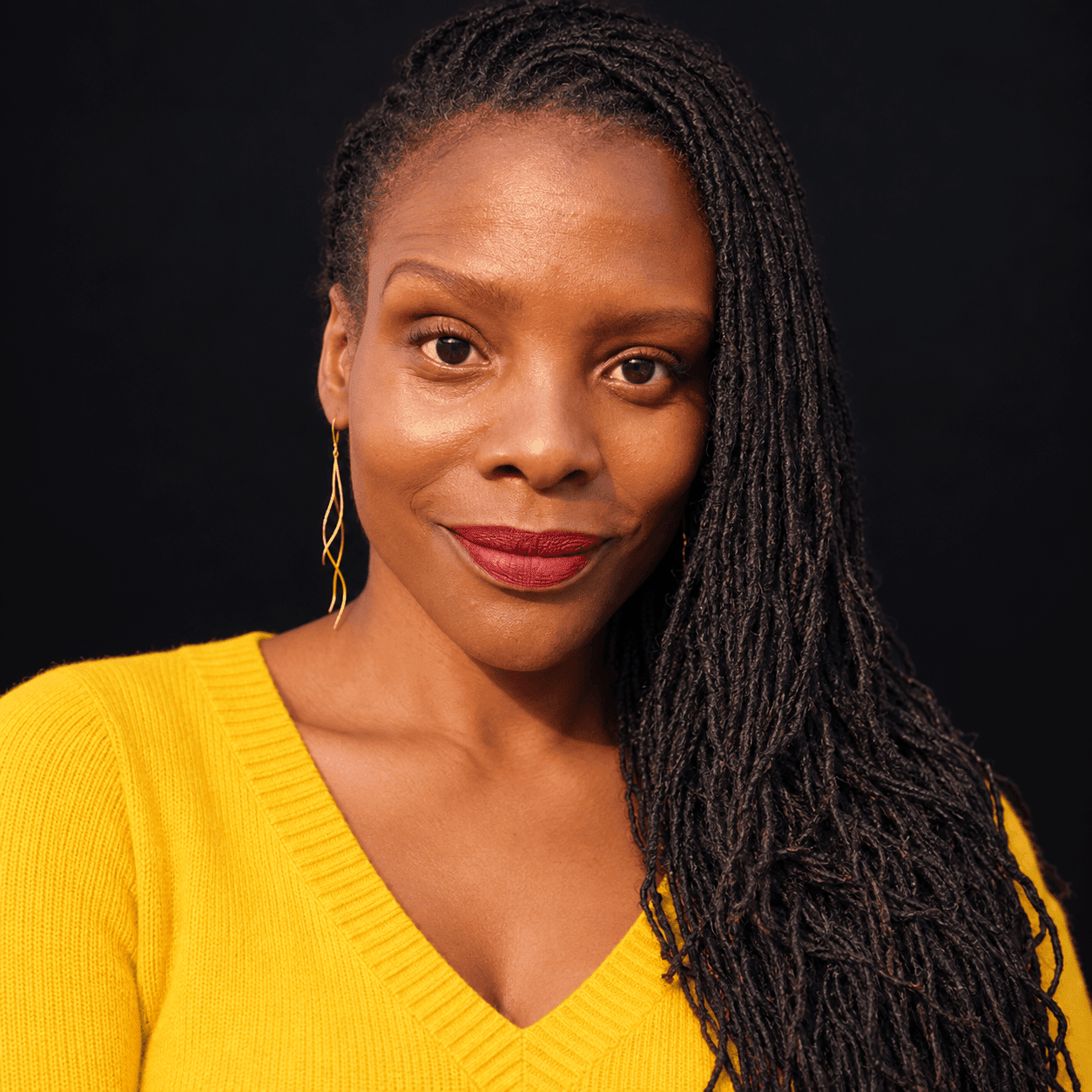
Hi, I’m Azizi. I’ve been homeschooling for 17 years, and I know how quickly planning, teaching, and keeping everything moving can land on one parent. This workshop grew from learning what truly needs my attention and where my daughters could take more ownership.
Somewhere along the way, homeschooling can start to feel like everything depends on you.
No wonder curriculum can become so hard to loosen your grip on. It gives you a sequence, a checklist, and something official to follow when the responsibility feels enormous.
This is not a passive lecture about interest-led learning. The recording guides you through exercises in the workbook so you can look at your actual homeschool, see where your energy is genuinely needed, and consider what your child may be ready to carry.
Identify the learning that genuinely benefits from your direct instruction and attention.
See where books, people, tools, experiences, resources, interests, and real life can carry more of the learning.
Identify thinking, decisions, responsibility, follow-through, and learning your child may be ready to take more ownership of.
As you work through the recording and workbook, you’ll sort responsibilities into three clear categories and choose one practical shift to try at home.
Keep your math program. Keep the books you love. Keep structured instruction wherever it genuinely helps.
The goal is not to replace one rigid philosophy with another.

I’m Azizi Tuere, a veteran global homeschool mother of 17 years.
When my oldest was three, I became the anxious homeschool mom who thought I needed to make learning happen. I bought the curriculum, pushed harder, and watched my daughter shut down.
Backing off forced me to rethink what my role actually was. I began watching more closely, listening, connecting, using resources when they served us, and gradually expecting my daughters to carry more of their own thinking, work, and responsibility.
Today they are 15 and 17, and much of the meaningful work they do, including books, music, businesses, and creative projects, no longer requires me to stand over it and make it happen.
I did not get there by caring less about education. I stopped believing I had to personally produce every part of it.
You do not need to know everything before your child does. And you do not have to carry the whole homeschool yourself.